

What Is Bleisure Travel - And Why an Aparthotel Is the Perfect Base

Last updated May 12, 2026
A business traveller arrives in a new city on Tuesday morning for three days of meetings. By Friday, they realise they’ve barely seen anything beyond the airport, the office, and the hotel bar. Instead of flying home immediately, they extend the trip for the weekend - dinner in a neighbourhood they’d never normally visit, a slower Saturday morning, a chance to experience the city properly before Monday rolls back around.
That’s bleisure travel: combining business and leisure in one trip. And what once felt like a niche travel trend has become increasingly mainstream. As hybrid working reshapes the way people travel for work, more professionals are turning business trips into opportunities to explore the places they visit instead of simply passing through them.
The rise of remote working and work from anywhere culture means travellers now expect more from business travel accommodation too. They want somewhere that supports productive working days while still feeling comfortable enough for a longer stay. That’s where aparthotels fit naturally, offering the flexibility, space, and home-from-home feel traditional hotels often struggle to provide.
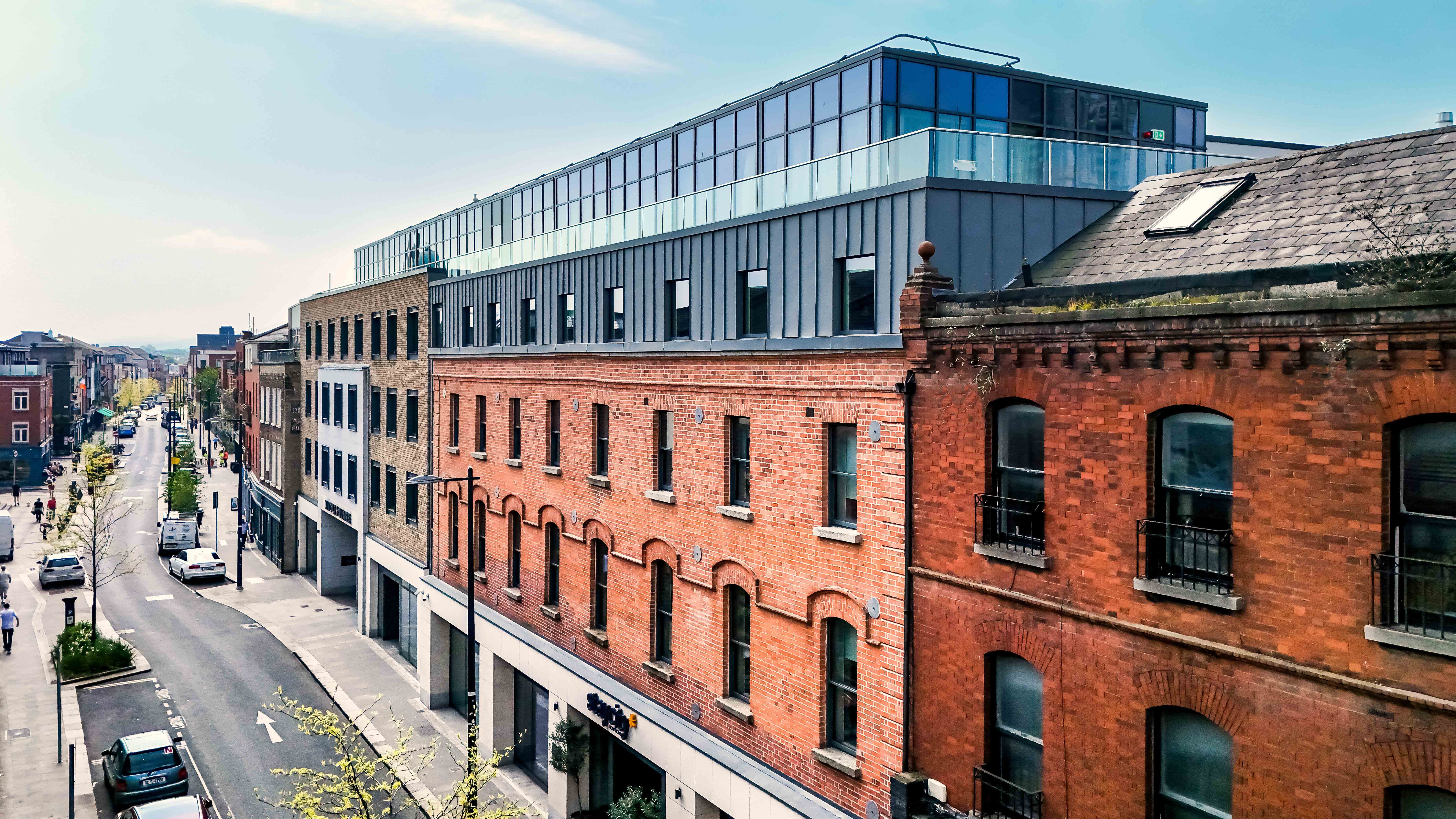
What is Bleisure Travel?
Bleisure travel combines business and leisure within the same trip. The word itself blends “business” and “leisure”, and the term was first coined by trend forecasting consultancy The Future Laboratory in 2009.
In practice, bleisure usually takes one of two forms. The first is extending a work trip before or after meetings - adding a weekend in Paris after a conference, for example. The second is bringing a partner, friend, or family member along while travelling for work.
So, what is a bleisure traveller? It’s someone who wants more from business travel than flights, meetings, and rushed dinners between emails. A bleisure traveller uses work trips as an opportunity to properly experience somewhere new, whether that means staying an extra few nights, exploring a city after meetings finish, or building more balance into the travel experience overall.
What does bleisure mean in reality? It could mean extending a conference trip in Birmingham into a long weekend.
It could mean working remotely from Edinburgh for an extra day instead of rushing straight home. Or it might simply mean choosing an aparthotel for business travel that supports both productivity and downtime equally well.
Why Bleisure Travel is Growing
The rise of bleisure travel is closely tied to the shift towards hybrid work and remote working culture. Business travel hasn’t disappeared, it’s simply become more intentional. Instead of daily office attendance, professionals now travel for conferences, team offsites, client meetings, and collaborative projects. And increasingly, those trips happen in cities people genuinely want to spend time in.
The financial logic is straightforward too. If a company already covers flights and accommodation for the business portion of the trip, extending by two or three nights often works out far cheaper than booking a separate city break later in the year.
That’s particularly appealing to millennial and Gen Z travellers, who tend to prioritise flexibility and experiences more highly than previous generations. For many professionals, the appeal of business travel no longer stops at the meeting itself - it’s about the opportunity to explore somewhere new while they’re already there.
There’s a business benefit too. Bleisure travel can reduce some of the fatigue associated with constant corporate travel. Instead of rushing between airports, offices, and hotel rooms before immediately flying home exhausted, travellers have time to decompress properly and enjoy the destination around them.
At the same time, work from anywhere culture has changed expectations around accommodation. Remote workers increasingly want more than a standard hotel room. They want space, flexibility, kitchens, laundry facilities, exercise rooms, and environments that support both productivity and comfort during longer stays.
What Bleisure Travellers Actually Need
A typical bleisure travel week rarely looks glamorous. It’s usually meetings Monday to Wednesday, remote catch-up work Thursday, and finally a free Friday before flying home Sunday evening. That kind of trip creates very specific accommodation needs.
Bleisure travellers need somewhere quiet enough to focus during the work portion of the stay, but comfortable enough to properly switch off afterwards.
They need fast WiFi, room to work comfortably, somewhere to cook occasionally, and enough space that a week away doesn’t start to feel claustrophobic. That’s why remote work accommodation increasingly looks different from traditional hotel stays.
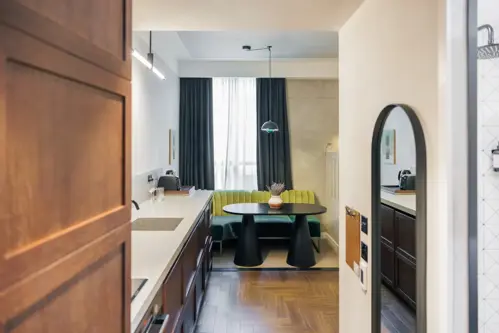
Space to Work Without the Hotel Room Compromise
Working remotely from a traditional hotel room often means balancing a laptop on a bed or squeezing onto a tiny desk beside the television. For longer business trips, that setup quickly becomes frustrating.
Bleisure travellers need accommodation that supports focused work properly: dedicated desks, comfortable seating, separate living and sleeping areas, and reliable high-speed WiFi. Having physical separation between work and rest helps create a healthier rhythm during longer stays.
This is where aparthotels naturally work well for business travel. The additional space creates a much more comfortable working environment while still allowing travellers to properly switch off afterwards.
Many Staycity Aparthotels also include dedicated coworking or workspace areas, making them especially well-suited to remote working stays across Europe’s busiest cities.
A Kitchen Changes Everything
One of the biggest differences between a hotel and an aparthotel for business travel is the kitchen. Eating every meal out sounds exciting for the first couple of days. After that, most travellers start craving routine - breakfast before meetings, coffee while answering emails, or a quiet dinner after a long day. A fully equipped kitchen makes longer stays feel significantly more manageable. It allows travellers to keep some sense of normality while away, while also reducing the cost of extending a trip.
For bleisure travellers, that flexibility matters. Cooking occasionally, storing groceries, or simply relaxing somewhere that feels more like home creates a much more balanced experience than relying entirely on restaurants or room service.
It’s one of the reasons aparthotels continue to grow in popularity as extended stay hotels and serviced apartments for business travellers.

Location: Close Enough to Business Districts, Open Enough to Explore
Location matters enormously during a bleisure trip. Travellers need easy access to offices, conference venues, and transport links during the work portion of the stay, but they also want to step straight into the city once meetings finish.
That’s why city-centre aparthotels work particularly well for bleisure travel. In London, you can extend a work trip into an entire weekend of galleries, restaurants, and neighbourhood exploration.
Paris moves effortlessly from business meetings to evening wine bars and slow mornings by the Seine.
Edinburgh’s compact layout makes it ideal for shorter bleisure breaks, while Manchester blends food, music, nightlife, and easy access to the Peak District.
Why an Aparthotel is the Natural Bleisure Base
Traditional hotels are designed for short, transactional stays. Bleisure travel asks something different from accommodation.
An aparthotel is designed for living comfortably for several days at a time, not simply sleeping between meetings. That difference becomes obvious during longer business trips.
More space allows travellers to work comfortably during the day and properly relax afterwards. Fully equipped kitchens reduce the cost and exhaustion of eating out constantly. Laundry rooms become genuinely useful once a trip stretches past a few days.
Exercise rooms help travellers maintain routine, while 24-hour reception teams provide flexibility around unpredictable schedules and late arrivals. Most importantly, aparthotels feel more relaxed and homely than many traditional hotels. The atmosphere is more residential, more flexible, and more comfortable for extended stays.
Staycity Cities for Bleisure Travel
Bleisure travel works best in cities where business and leisure naturally overlap. Places where you can finish meetings and immediately step into the energy of the city around you.
Liverpool brings together music, nightlife, and waterfront culture in a way that makes extending a work trip feel effortless.
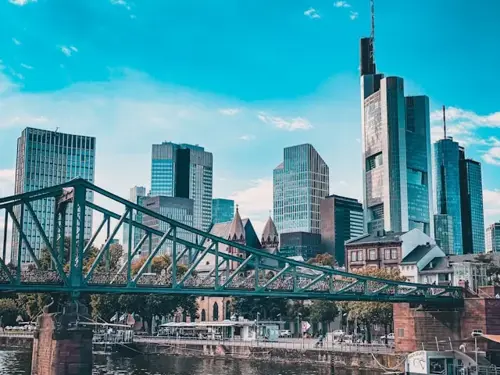
If you’re in Germany, Frankfurt balances business-focused energy with riverside bars, museums, and easy weekend escapes once meetings finish. Dresden combines striking architecture and culture with a calmer atmosphere ideal for unwinding after a busy week.
Venice transforms even the shortest business stay into something memorable, while Bordeaux offers excellent food, wine, and a slower pace that naturally suits bleisure travel.
Dublin, meanwhile, blends culture, coastline, and walkability in a way that makes switching from work mode to weekend mode feel easy.
Across Staycity Aparthotels’ 15 European cities, travellers can work remotely, stay longer, and experience destinations more comfortably. With spacious apartments, fully equipped kitchens, central locations, exercise rooms, laundry facilities, dedicated workspaces and friendly 24-hour teams, it’s time to plan your next stint of bleisure travel.


